The longest day of the year
June 21st is the summer solstice — the day when the sun reaches its northernmost point in the sky and the Northern Hemisphere experiences its longest period of daylight of the entire year. On this day, depending on your latitude, you may have 14, 16 or even 18 hours of sunlight. The sun rises earlier and sets later than any other day. Night is at its shortest. When Prime Minister Modi proposed June 21st to the United Nations, he specifically chose it because it is the longest day of the year in the Northern Hemisphere — where the majority of the world's population lives. The practical implication is significant: most countries can gather outdoors in natural light, practice together, and celebrate in conditions that are simply not possible on shorter winter days.
The sun's journey — Uttarayana and the solstice
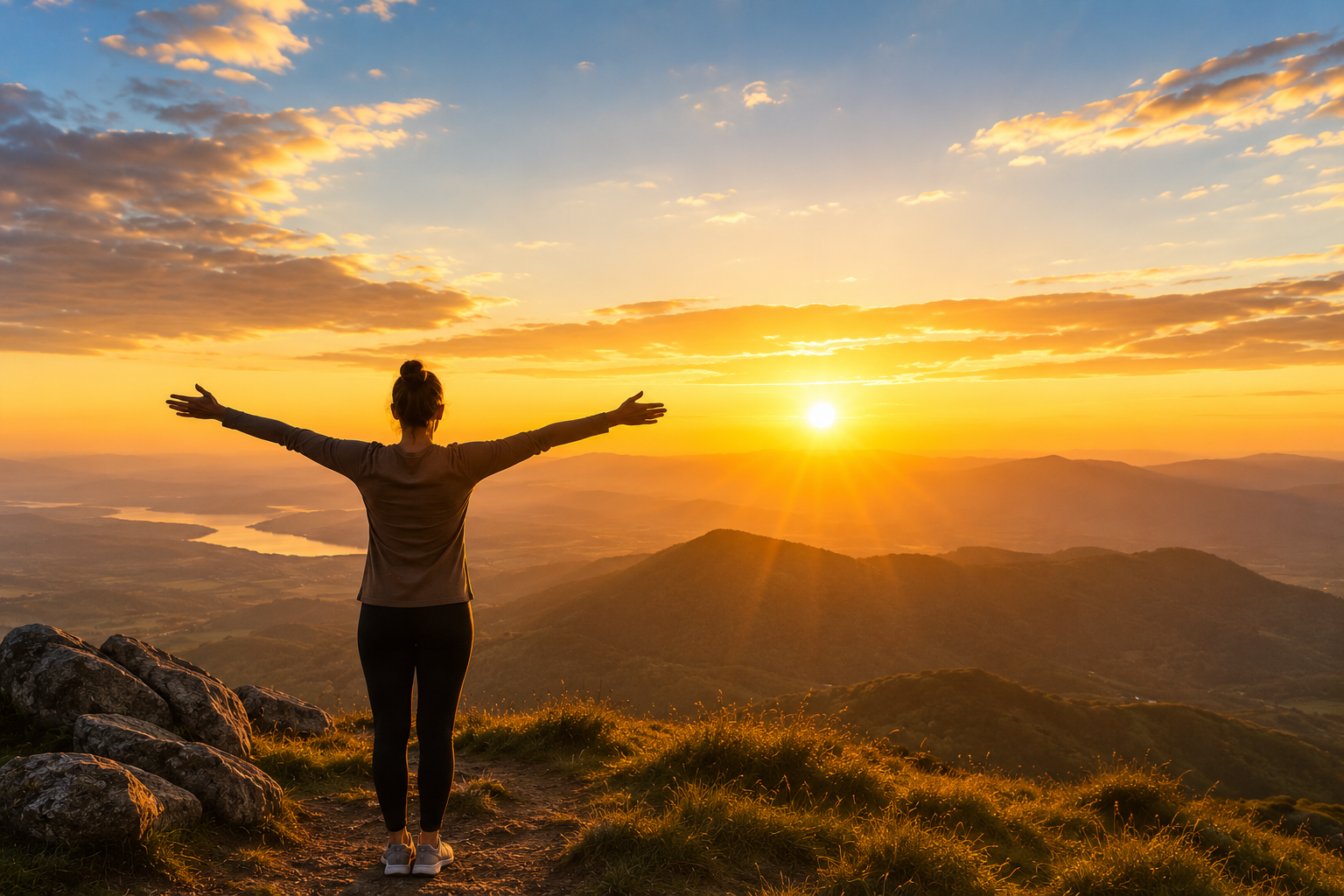
In the yogic and Vedic calendar, the year is divided by the sun's journey. On Makar Sankranti — January 14th — the sun begins its northward journey. This is called Uttarayana. It is considered the most auspicious six months of the year — a time of light, clarity and spiritual possibility. The sun travels north for six months, reaching its peak on June 21st — the summer solstice. This is the culmination of Uttarayana. The maximum solar energy. The maximum outer light. In the yogic tradition, light is not merely physical. The sun represents consciousness itself — the source that illuminates all things. The longest outer light day is therefore the most potent day to celebrate the inner science whose goal is inner light. After this peak, the sun begins its southward journey — Dakshinayana — and the days slowly shorten again until the winter solstice in December.
The yogic significance — the day Adiyogi began to teach
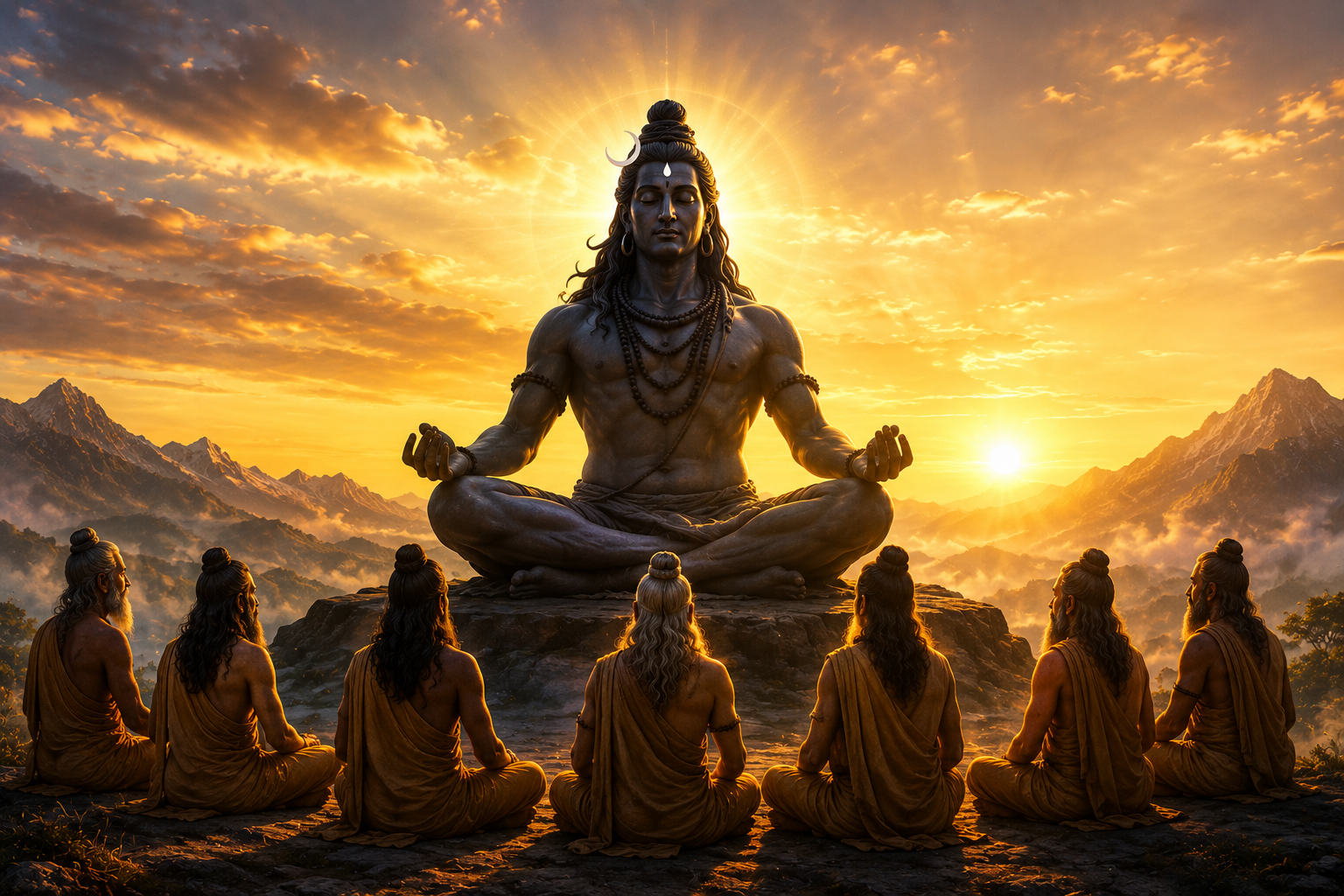
The choice of June 21st carries a deeper significance that PM Modi alluded to in his UN proposal. In the yogic tradition, the summer solstice is the day Adiyogi — Shiva, the first yogi — looked at the Saptarishis and decided to begin transmitting the science of yoga to them. He had been in samadhi — in states of profound stillness and bliss — and seven seekers had gathered around him, waiting. They waited with such sincerity and preparation that Adiyogi finally turned his attention to them. On the day of the summer solstice, he began what became the first yoga class in human history. This makes June 21st not just the astronomical longest day — but the original Guru's day. Guru Purnima, celebrated shortly after the solstice, commemorates the moment the first guru began to teach. The circle is complete. The day the world now celebrates yoga globally is the same day the science of yoga was first transmitted.
Why this day works practically for the entire world
The genius of choosing June 21st is also deeply practical. Consider what it requires to organise a global outdoor yoga event — weather, daylight, temperature, participation. In the Northern Hemisphere — which contains Europe, North America, most of Asia including India, China, Japan, and the Middle East — June 21st falls in summer. Weather is generally warm, days are long, and outdoor gatherings are natural. This is why you see yoga events at Times Square in New York, at the Eiffel Tower in Paris, at the Rajpath in New Delhi, at the Forbidden City in Beijing — all on the same day, all in comfortable outdoor conditions. For Southern Hemisphere countries — Australia, South Africa, South America — June 21st is mid-winter and the shortest day. But the global momentum is so strong that even these nations participate enthusiastically, often moving events indoors. The date works because it maximises the possibility of global simultaneous participation — the very spirit of Vasudaiva Kutumbakam, the world as one family.
Light as the supreme metaphor
There is one more layer to June 21st that is worth sitting with. Yoga, at its core, is a science of inner light. The goal of every technique — every asana, every pranayama, every meditation — is to move from darkness to light. From ignorance to awareness. From identification with the limited to realisation of the unlimited. The yogic tradition uses the sun constantly as a metaphor for consciousness. Surya Namaskar — the sun salutation — is not just a physical sequence. It is an offering of gratitude to the source of all light, outer and inner. On the longest day of the year, when outer light reaches its maximum, humanity turns toward inner light together. This is not coincidence. It is the profound intelligence of a tradition that understood, thousands of years ago, that inner and outer are not separate. May this June 21st be the beginning of your journey into that light — however you find it, whatever form it takes. The science is here. The teachers are here. The day is auspicious. Yoga se hi hoga. 🙏